A PRACTICAL GUIDE · INDEPENDENTLY RESEARCHED
Oats. Everyday possibilities.
A warm bowl of porridge, a jar ready for tomorrow, something good from the oven. Get to know oats: how to choose them, ways to use them and where to find reliable advice. A practical starting point for everyday kitchens.
Explore the guide ↓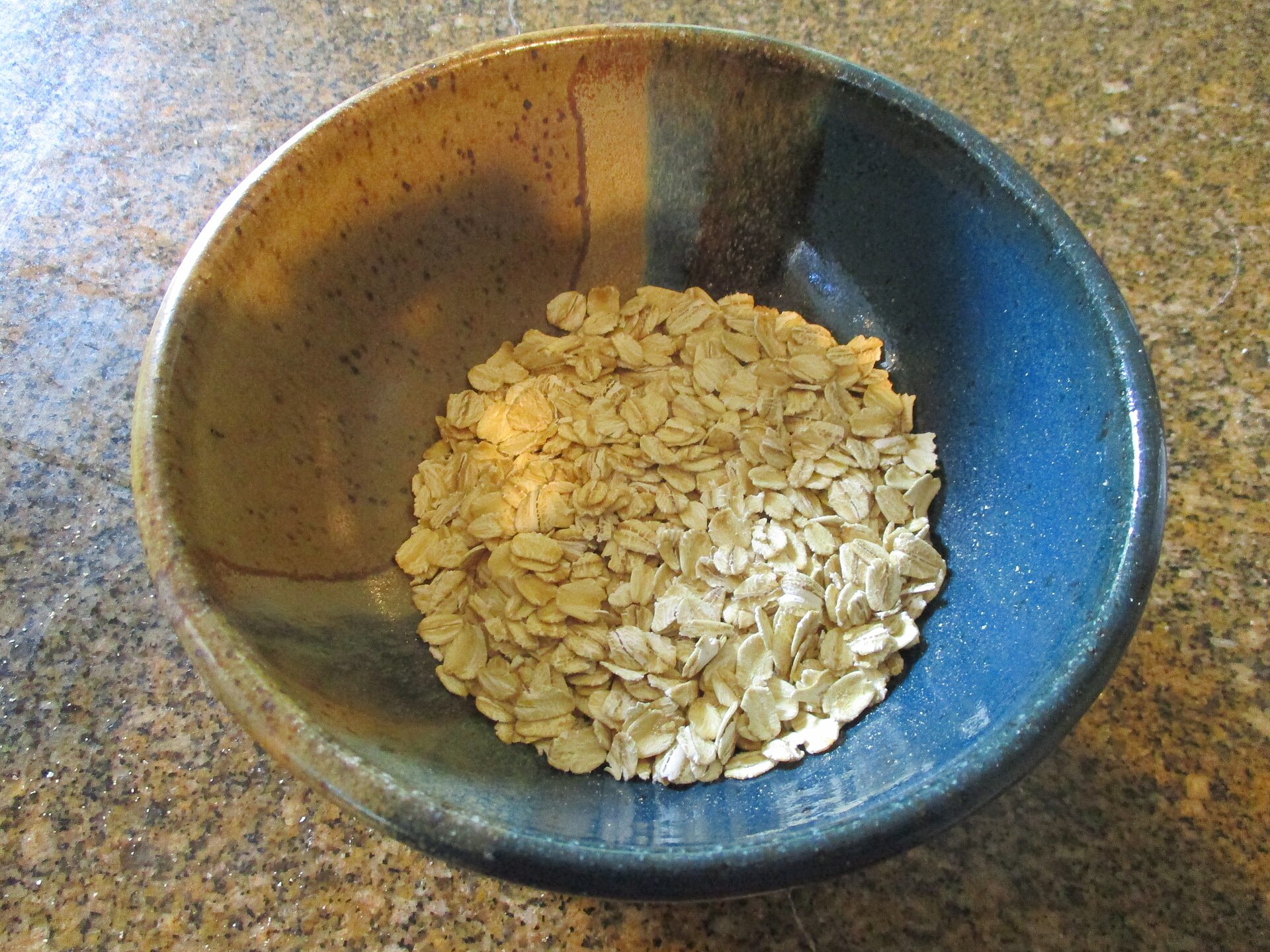
Choose the oats for the job
A bag marked “oats” can contain quite different textures. Rolled oats are flattened flakes; larger jumbo flakes keep more of their shape, while finer porridge oats make a smoother bowl. Pinhead or steel-cut oats are pieces of the grain rather than broad flakes. Oatmeal is milled to different grades, so the word alone does not tell you how coarse it will be.
Start with the recipe you want to make, then match its named type of oat. A quick breakfast and a slowly cooked, textured porridge need not start with the same packet. Quick-cooking products have their own instructions: do not assume that a method for ordinary rolled oats also works for steel-cut oats.
For a first purchase, ask a practical question: do you want something smooth, or do you like a little more bite? Keep the packaging until you know the cooking method you enjoy. It is a more useful reference than a universal cooking time borrowed from a different product.
Make porridge your own
Porridge is a useful place to begin because it lets you get to know the oats before adding lots of other ingredients. Use the quantities and method on your packet, or choose a recipe that specifies the oats you have bought. Water and milk are both used in porridge recipes; the choice changes the result, so begin with one method and adjust on your next bowl.
Stir as directed and watch the consistency as the oats soften. If you use a microwave, choose a suitably deep, microwave-safe bowl and follow instructions for your appliance’s power. The bowl and its contents can be very hot.
For serving ideas, try sliced pear with cinnamon, berries with plain yoghurt, or banana with a little nut butter if suitable for you. These are combinations to explore, not a claim that one breakfast suits everyone. The linked Good Food recipe provides a measured starting method when you want more detail.
A breakfast ready for tomorrow
Overnight oats offer a different rhythm: prepare a chilled mixture ahead of time and return to it in the morning. Rolled oats are commonly used, soaked with milk or another suitable liquid; some recipes add yoghurt. Use a recipe written for overnight oats, rather than simply leaving cooked porridge on the worktop.
Choose a clean covered container with room to stir. Follow the recipe’s proportions and refrigerate the mixture during soaking. Add crunchy toppings just before eating if you want to keep their texture. For a portable breakfast, consider a separate small container for those toppings.
Keep the whole mixture in mind when checking storage instructions. Milk, yoghurt and fresh fruit may have different use-by dates or requirements. Preparing a small amount for the following morning is a straightforward place to start, rather than making a week’s supply and guessing how long it will keep.
Beyond the breakfast bowl
Use your next oat recipe as a chance to explore a different texture. A flapjack, a crumble topping and a bowl of porridge are very different projects, even when the same packet is involved. Look for a recipe that identifies the type of oats, the tin or dish size and the intended result.
For baking, resist making several substitutions at once. If a recipe calls for flour as well as oats, swapping everything for oats creates a different recipe; start with a method designed for the ingredients you want to use. Likewise, an oat-based bake can still contain other ingredients that matter to someone with an allergy or dietary requirement.
A simple way to explore is to keep a short kitchen note: which oats you used, which recipe you followed and what you would change next time. Build a small collection of dependable methods before buying lots of specialist ingredients. The preparation guide below also explains how oats can be blended for recipes that call for oat flour.
Nutrition in context
Oats are one option within a varied diet. NHS guidance includes porridge among wholegrain breakfast choices and identifies oats as a way of adding fibre. Starchy foods also provide carbohydrate, an important source of energy. Think about the whole meal, including what you add, rather than expecting a single ingredient to do everything.
The NHS recommends obtaining fibre from a range of foods. Fruit, vegetables, pulses and other wholegrains can all contribute, so there is no need to make every meal oat-based. If you compare prepared breakfast products, read their ingredients and nutrition information instead of judging them by the oat wording on the front.
This guide does not prescribe a portion, diet plan or treatment. The NHS links offer broader eating guidance; a qualified professional can advise on individual dietary needs. For questions specifically about oats and coeliac disease, use the specialist information in the next section.
Oats and gluten: read the label
Do not assume that an ordinary bag of oats is suitable for someone with coeliac disease. Coeliac UK explains that oats may be contaminated by wheat, barley or rye during production. Descriptions such as “pure”, “organic” or “100% oats” are not a substitute for a gluten-free label.
Most people with coeliac disease can tolerate gluten-free oats, but a small number may react to avenin, a protein in oats. Coeliac UK advises discussing ongoing symptoms or concerns with a health professional. That distinction matters: “oats” and “gluten-free oats” are not interchangeable shopping instructions.
When cooking for someone else, ask about their needs before choosing ingredients. Check the complete recipe and product labels, including toppings and other additions. The specialist guidance below is the place to start for more detail, rather than relying on a general recipe’s title.
Store carefully, waste less
Keep the packet’s storage instructions and date information with your dry oats, especially if you decant them into another container. Make the distinction between a dry cupboard ingredient and a prepared dish containing milk, yoghurt or other perishable foods. Once you have made breakfast, the rules for the finished mixture matter.
The Food Standards Agency recommends keeping a fridge at 5°C or below. For cooked leftovers, cool and refrigerate within two hours, then eat within 48 hours or freeze if that will not be possible. Follow any shorter product or recipe instructions too. Overnight oats belong in the fridge while soaking, not on the kitchen counter.
Plan portions around what you are likely to use and label anything you store with the preparation date. If you are unsure about a particular ingredient or dish, check the FSA’s detailed guidance and the manufacturer’s instructions. A little planning makes oats an easy ingredient to return to.
Independent, and open to better information.
This guide is published by UK Domain Trader. It is an introductory resource, not personalised professional advice or an endorsement by the organisations listed. Links are included to help you find reliable information. No business has paid for an editorial mention in this guide. Know a useful resource, or spotted something that needs correcting? Tell us below.
Research sources and image attribution
- Quaker: preparing different types of oats · researched 2026-09-29
- Mornflake millers explain oat varieties - Sainsbury’s Magazine · researched 2026-09-29
- Good Food: perfect porridge · researched 2026-09-29
- Quaker: overnight oats · researched 2026-09-29
- NHS: starchy foods and carbohydrates · researched 2026-09-29
- NHS: getting more fibre into your diet · researched 2026-09-29
- Coeliac UK: oats and the gluten free diet · researched 2026-09-29
- Food Standards Agency: chilling, freezing and defrosting safely · researched 2026-09-29
Photograph: Bodhi Peace / Wikimedia Commons. Original and rights information. CC BY-SA 4.0. Displayed without alteration; the responsive layout may crop its visible area.
MAKE A CONNECTION
A distinctive name.
Your next idea.
oat.org.uk is listed with UK Domain Trader. View the current asking price and purchase options on the marketplace, or send a buying enquiry.
View oat.org.uk ↗Your privacy
UKC LABS LTD, trading as UK Domain Trader, operates this guide. The enquiry form sends your name, email, message and enquiry type to our central inbox so we can respond. These details are not published or sold. Enquiries are retained for up to 365 days unless a longer period is needed to handle an ongoing request or legal obligation. We process enquiries to respond to your request and administer our business; ticking the acknowledgement does not subscribe you to marketing.
We count page requests and useful-link clicks without visitor tracking cookies. Security controls use short-lived pseudonymous rate-limit records, and server security logs may contain IP addresses. To request access, correction or deletion of your information, use the contact form and select correction, or visit UK Domain Trader’s privacy policy. This form is not an emergency or public-service reporting channel.